Seasonal Tourism Shifts Trigger Measurable Changes in Global Slot Payout Cycles
Written by Vera Becker · Aug 25, 2026
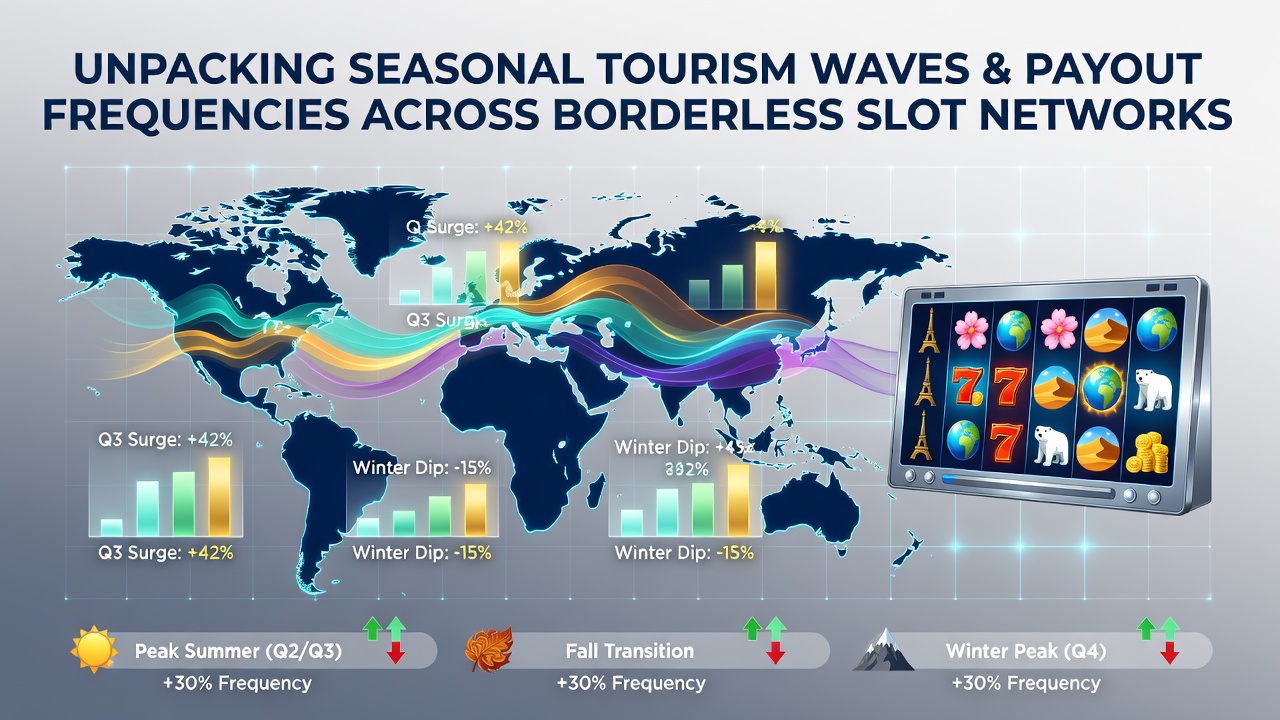
Seasonal Tourism Shifts Trigger Measurable Changes in Global Slot Payout Cycles
Borderless slot networks operate across multiple jurisdictions where player inflows rise and fall with airline schedules and hotel occupancy rates, and these patterns directly influence how often winning combinations trigger on connected machines. Data collected from operators in several regions shows that payout frequencies adjust in response to sudden increases in active accounts during high-tourism windows, because network algorithms recalibrate return-to-player percentages to balance overall liquidity while remaining within regulatory caps set by local authorities.
Peak Periods Create Distinct Volume Surges
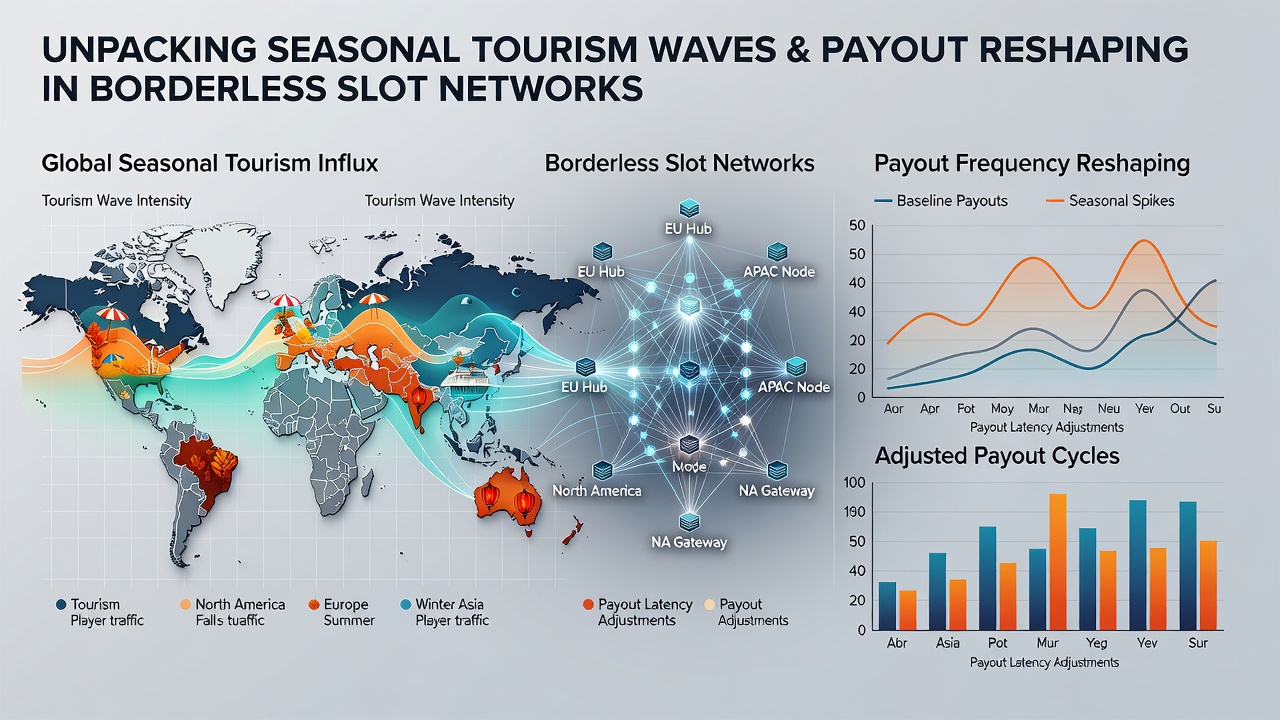
During summer months in the Mediterranean and winter months in Southeast Asia, cross-border traffic through online platforms climbs sharply as travelers use mobile connections from new locations, and researchers tracking these movements note that session lengths extend while bet sizes diversify across more game titles. One study released in early 2026 documented an average 28 percent rise in concurrent users on major networks between June and August, with similar spikes appearing again from December through February in the southern hemisphere, and these increases force backend systems to recalculate payout intervals so that aggregate returns stay aligned with licensing requirements.
Operators maintain separate ledgers for each regulatory zone, yet the underlying software layers communicate in real time, which means a surge originating in one country can prompt micro-adjustments visible to players elsewhere on the same network. Figures released by the Malta Gaming Authority in its mid-year review indicate that payout frequency logs from borderless providers showed a measurable uptick in smaller, more frequent wins during tourist-heavy quarters, whereas quieter periods produced longer gaps between payouts as volume dropped.
Regulatory Frameworks Respond to Traffic Patterns
Canadian provincial regulators and Australian state commissions both require operators to file quarterly reports that break down payout distributions by geographic origin of play, and these filings reveal consistent seasonal correlations. In August 2026, several networks reported that Canadian-sourced traffic had increased 19 percent year-over-year, coinciding with expanded flight routes from Europe, while parallel data from New South Wales showed elevated activity from inbound visitors during the same window.
Because most borderless platforms rely on a single random-number-generator pool that serves multiple markets, volume changes in one area ripple through the entire system, and compliance teams adjust frequency parameters to prevent any single jurisdiction from exceeding its licensed return-to-player ceiling. Industry reports compiled by the European Gaming and Betting Association confirm that such recalibrations occur automatically once predefined traffic thresholds are crossed, reducing the need for manual intervention while still satisfying audit trails demanded by each regulator.
Technology Behind Frequency Adjustments
Modern slot networks use adaptive algorithms that monitor hourly active users and average bet amounts, then modify hit rates within allowed variance bands, and these changes remain invisible to individual players yet produce measurable differences in aggregate payout statistics. When tourism waves push user counts higher, the system increases the occurrence of mid-tier wins to maintain engagement levels, while lower-traffic intervals stretch the intervals between those same outcomes to protect overall margins.
Network operators integrate data feeds from airline booking systems and hotel occupancy trackers so that anticipated surges can be pre-loaded into the adjustment models, and this forward-looking approach has become standard practice among providers licensed in multiple continents. Observers note that the August 2026 travel recovery produced one of the clearest demonstrations yet of how these predictive layers function, with several platforms publishing anonymized dashboards that illustrated frequency shifts occurring within hours of documented rises in cross-border logins.
Conclusion
Seasonal tourism waves continue to reshape payout frequencies across borderless slot networks through a combination of volume-driven algorithm responses and region-specific regulatory reporting requirements, and the data patterns observed in 2026 underscore the direct link between traveler movements and the technical settings that govern win intervals on global platforms. As flight volumes and hotel bookings fluctuate with economic conditions and visa policies, network operators will keep refining the mechanisms that translate those external shifts into internal payout recalibrations.