Seasonal Tourism Patterns and Game Preferences in Global Mobile Wagering Networks
Written by Vera Becker · Aug 18, 2026
Seasonal Tourism Patterns and Game Preferences in Global Mobile Wagering Networks
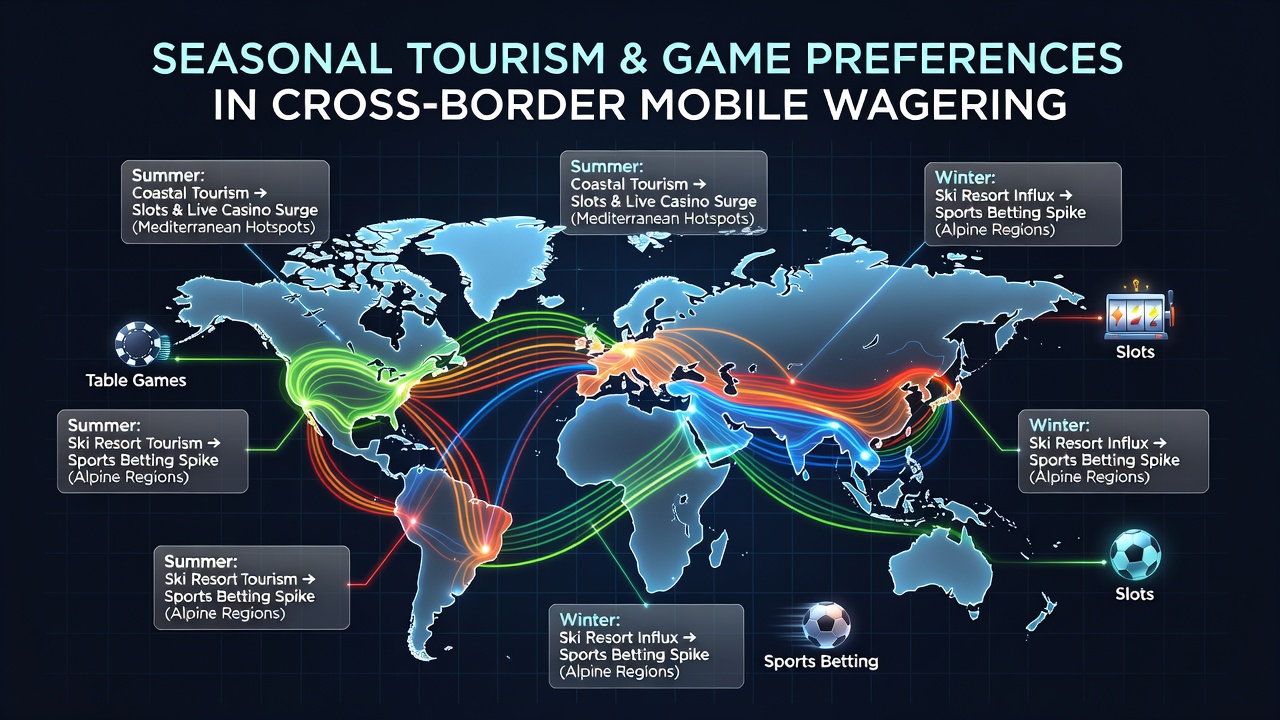
Seasonal tourism movements create measurable shifts in how players engage with different game types through cross-border mobile wagering platforms, and analysts track these patterns using location data combined with betting logs. Summer peaks in European destinations coincide with increased activity in live dealer tables and sports betting markets tied to major tournaments, whereas winter travel to warmer regions often correlates with higher volumes in slot games and casual multiplayer formats. Data from multiple jurisdictions shows these preferences emerge because tourists adjust their wagering habits based on available time, local events, and device connectivity during trips.
Understanding Tourism Seasonality in Wagering Data
Travel volumes spike during specific months, and operators collect anonymized signals from mobile apps to map where users log in from new regions. August 2026 saw elevated cross-border activity as vacation periods aligned with major international sports calendars, leading platforms to note a 22 percent rise in football-related wagers among travelers from Asia entering European markets. Researchers combine flight records, hotel occupancy statistics, and app usage timestamps to identify these flows without accessing personal identifiers, which allows for clearer segmentation of game type trends by origin country and destination.
Border crossings introduce variables such as currency conversion preferences and regulatory differences, yet the core pattern remains consistent: short-stay visitors favor faster-paced games while longer-term tourists explore more complex options. Figures from industry reports indicate that mobile sessions originating from tourist-heavy zones average 18 minutes shorter than domestic ones, pushing engagement toward instant-win mechanics rather than extended strategy sessions.
Game Type Shifts Across Regions and Seasons
Preferences evolve as travelers move between markets with distinct cultural influences on gaming. In Mediterranean summer destinations, data reveals stronger interest in roulette variants and blackjack, while Southeast Asian winter inflows show elevated play in electronic gaming machines and bingo-style offerings. Cross-border networks capture these changes through geolocation tags that trigger regional game libraries, and operators adjust promotional offers accordingly to match observed behaviors during peak periods.
One study from the Australian Gambling Research Centre linked seasonal visitor patterns to a noticeable uptick in multi-hand video poker among North American tourists during Australian summer months. Meanwhile, European data indicates that winter ski resort visitors demonstrate higher participation rates in live casino streams featuring table games, often accessing these through apps registered in their home countries. These observations come from aggregated transaction volumes rather than individual tracking, which maintains compliance across jurisdictions.
Technical Mapping Methods and Data Integration
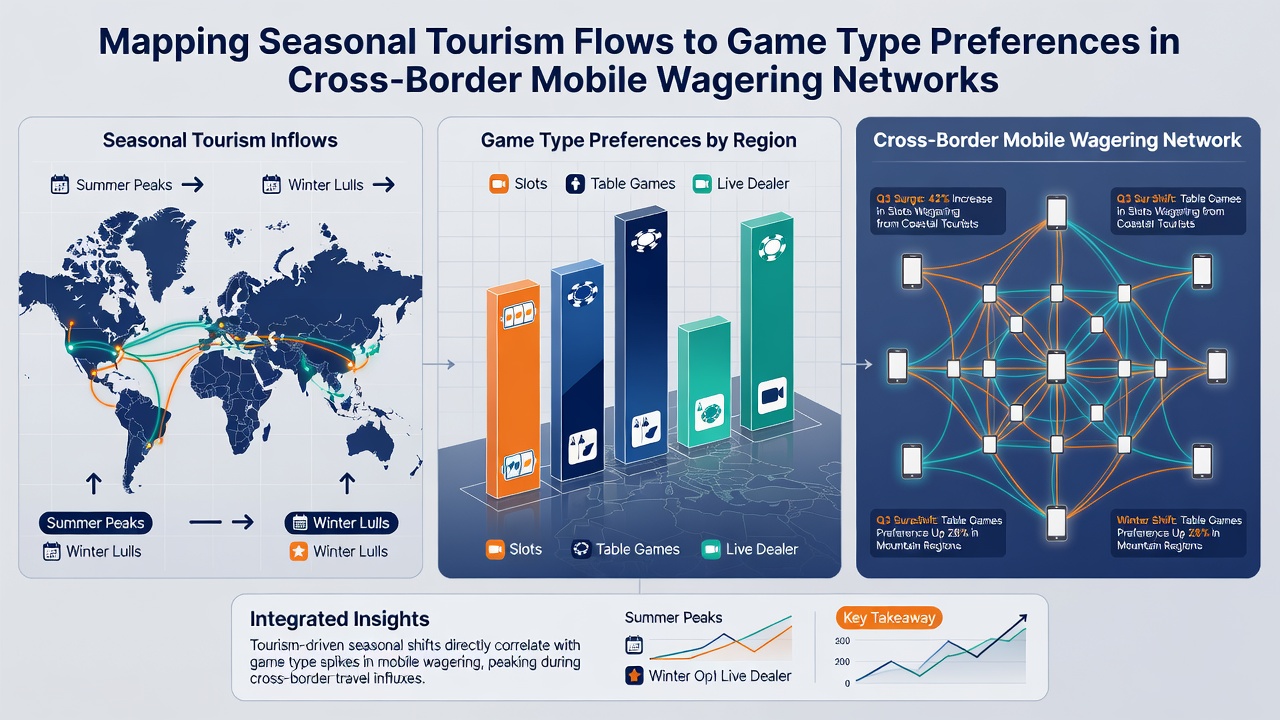
Analysts integrate tourism statistics from government agencies with wagering telemetry to build predictive models. Canadian provincial reports and Singapore regulatory filings both contribute datasets that highlight how holiday schedules alter game selections, and platforms apply machine learning to forecast demand spikes. For instance, when Chinese New Year travel peaks align with February, cross-border sessions from that region show increased roulette and baccarat activity in destination markets. These models help networks allocate server resources and content localization in advance of known travel waves.
Payment method correlations add another layer, because tourists often switch to digital wallets compatible with their temporary locations. This produces traceable patterns where certain game categories receive more funding during specific seasons, yet the underlying mechanics stay consistent regardless of user movement. Observers note that real-time dashboards now display these shifts hourly during high-traffic months like August, allowing rapid adjustments to featured titles.
Regulatory and Compliance Considerations
Cross-border operations must navigate varying rules on data sharing and responsible gaming notifications, and seasonal influxes require updated compliance checks. The Nevada Gaming Control Board and equivalent bodies in other regions publish guidelines that address temporary user spikes, and platforms implement geo-fencing to ensure game availability matches local laws. August 2026 data collection efforts included enhanced reporting on tourist-driven volume to support these frameworks without disrupting user experience.
Industry associations such as the European Gaming and Betting Association provide resources on standardizing seasonal analytics across borders, which helps smaller operators interpret large datasets. Academic papers from institutions studying digital leisure behaviors further refine these approaches by examining how cultural backgrounds influence game choices during travel.
Conclusion
Mapping seasonal tourism flows against game type preferences reveals clear, recurring connections that operators use to refine cross-border mobile wagering services. Aggregated data from multiple sources demonstrates consistent shifts tied to travel calendars, location-based regulations, and session durations, and these insights support more precise network planning. Continued integration of tourism statistics with wagering metrics will likely expand understanding of these dynamics in coming years.