Linking Payment Routes to Preferred Games in Handheld Betting Apps
Written by Jakob Braun · Jun 9, 2026
Linking Payment Routes to Preferred Games in Handheld Betting Apps
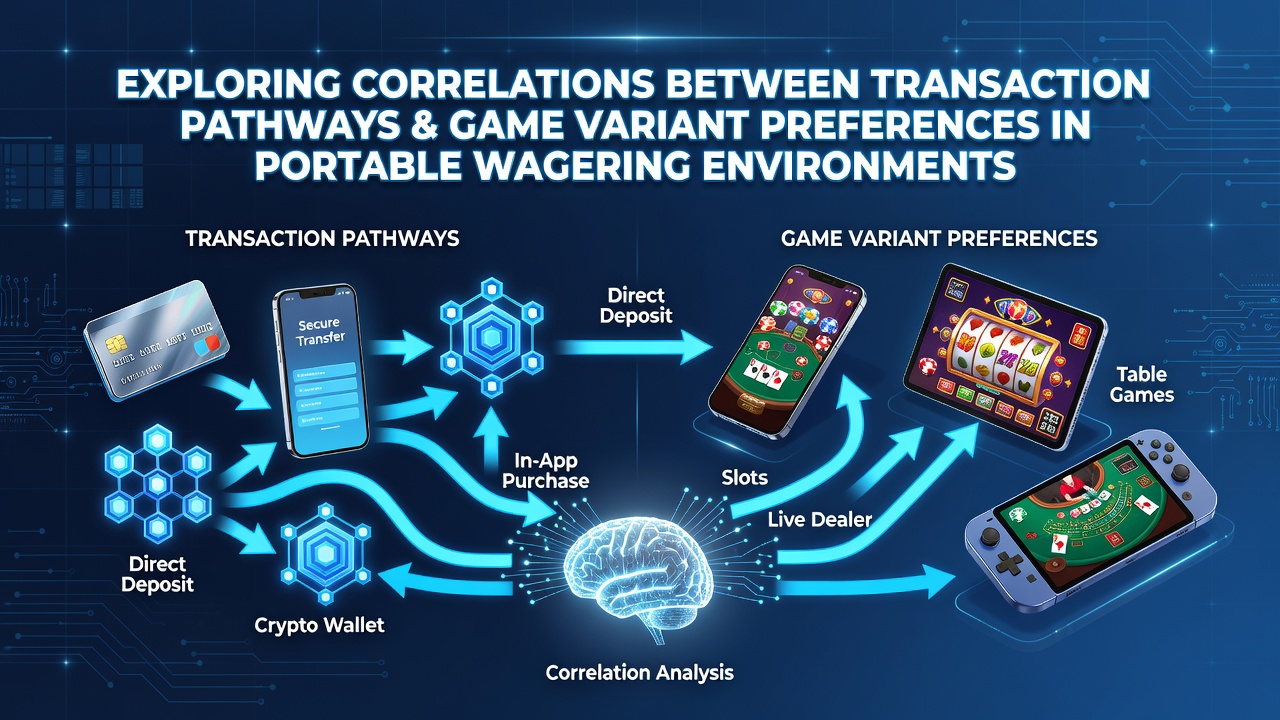
Data from multiple markets shows clear patterns between how users move funds into portable wagering platforms and which game types they select most often, with researchers noting these connections have grown more distinct since early 2025. Transaction pathways include credit cards, e-wallets, bank transfers, and digital currencies, each carrying different processing speeds, fees, and user demographics that appear to steer choices toward specific variants such as slots, table games, or live dealer experiences.
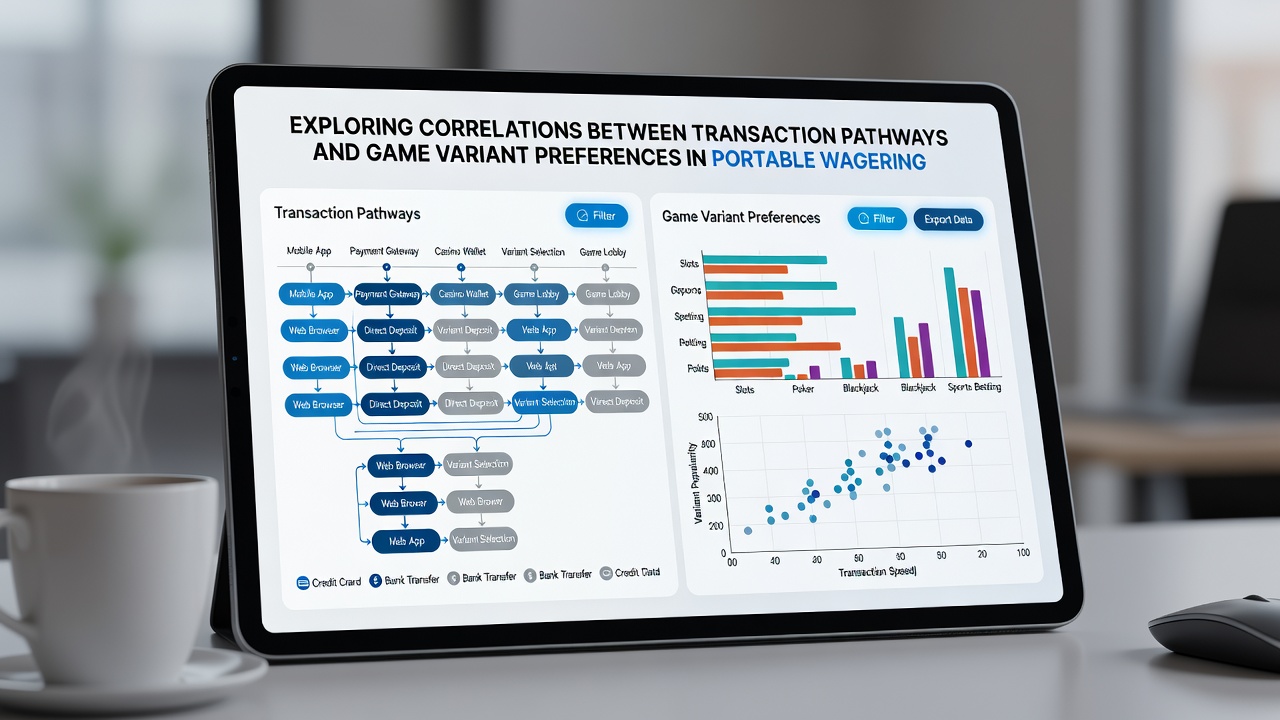
Studies tracking mobile sessions reveal users who rely on instant e-wallet deposits tend to gravitate toward high-frequency games like video slots, whereas those completing bank transfers show higher engagement with strategy-based options including blackjack and poker variants. These trends hold across regions where regulators publish anonymized activity summaries, including reports issued by the Nevada Gaming Control Board and data sets from the Victorian Commission for Gambling and Liquor Regulation.
Transaction Speed and Game Selection Patterns
Payment processing times create measurable differences in session behavior because faster methods allow quicker entry into games that reward rapid spins or repeated bets. Observers note that platforms logging deposit-to-play intervals under thirty seconds record elevated play rates for progressive jackpot slots, while slower pathways correlate with longer consideration periods before users open roulette or baccarat tables. In June 2026 several operators released aggregated metrics indicating this speed-preference link strengthened after new instant-transfer features rolled out in North American and Australian markets.
Demographic Factors at Play
Age and location data further refine these correlations, with younger users in urban areas more likely to combine digital currency deposits with live dealer variants that stream in real time. Older cohorts using traditional cards display steadier activity in classic slot libraries. Researchers examining cross-border datasets have documented that these demographic splits remain consistent even when controlling for overall spend levels.
Regional Regulatory Influence on Pathways
Rules governing acceptable payment types shape available options and therefore influence observed preferences. Markets that restrict certain e-wallets see corresponding drops in slot engagement among affected user groups, while regions permitting broader digital currency access report rising interest in interactive game formats. A Nevada Gaming Control Board summary released in spring 2026 highlighted how policy adjustments around instant funding altered distribution across game categories within the first quarter of implementation.
Another analysis from the Victorian Commission for Gambling and Liquor Regulation tracked similar shifts after updates to cross-border transaction rules, confirming that users adapt game selections within weeks of new pathway availability. These adjustments appear driven by convenience rather than any inherent preference change.
Platform Design and Data Feedback Loops
Operators use internal analytics to surface games based on detected payment history, creating feedback that reinforces existing correlations. When systems prioritize slot recommendations for e-wallet users, repeat sessions show continued alignment with those titles. Independent reviews of anonymized logs indicate the effect compounds over multiple visits, though the underlying driver remains the initial transaction choice rather than algorithmic suggestion alone.
What's interesting is how these loops interact with seasonal events, such as major sports calendars that temporarily boost table game traffic regardless of payment method. Yet the baseline correlations reassert themselves once those periods end, according to longitudinal tracking conducted through mid-2026.
Conclusion
Available evidence establishes measurable links between transaction pathways and game variant preferences in portable environments, driven by processing characteristics, user demographics, and regulatory frameworks. Continued monitoring by oversight bodies will determine whether these patterns evolve with emerging payment technologies or remain stable across future reporting cycles.