Interface Customization Driving New Engagement Patterns in Global Mobile Gaming Networks
Written by Sage Vogel · Aug 20, 2026
Interface Customization Driving New Engagement Patterns in Global Mobile Gaming Networks
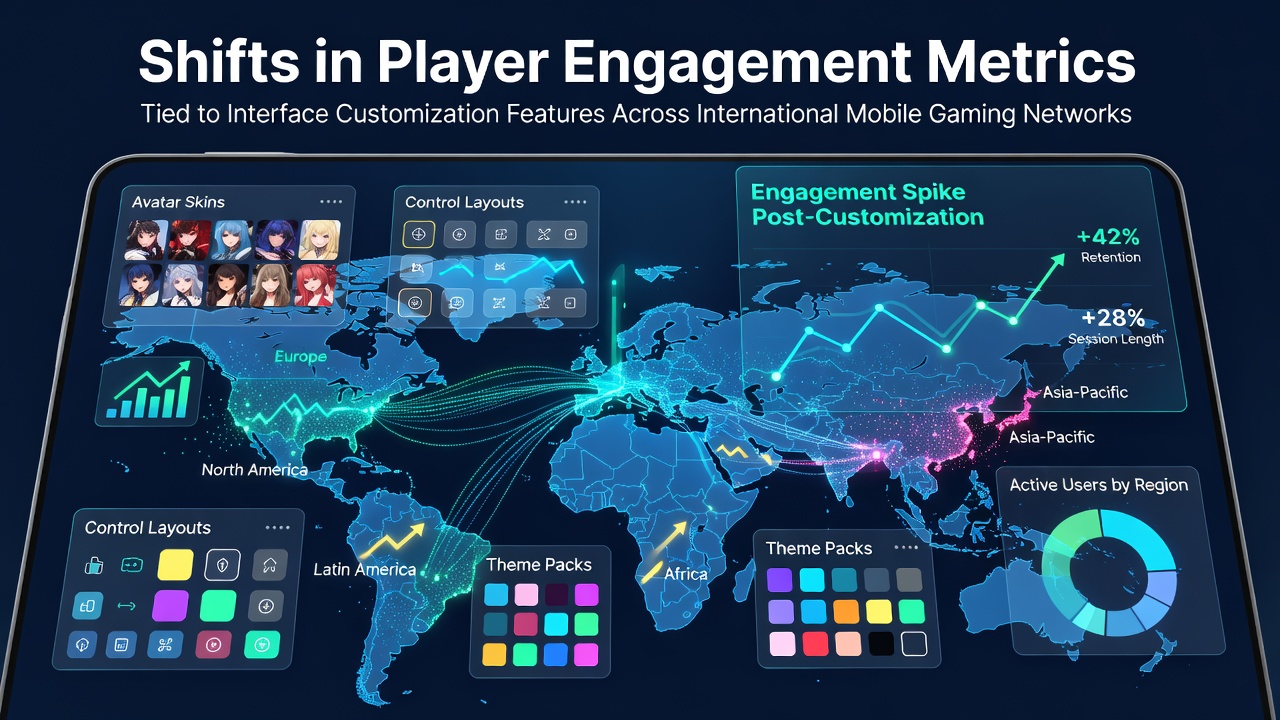
Players across international mobile gaming networks continue to show measurable shifts in engagement metrics when platforms introduce deeper interface customization options, and data from multiple regions points to longer session durations alongside higher retention rates where these features roll out. Researchers tracking user behavior note that customization tools allowing adjustments to layouts, color schemes, and control placements often correlate with increased daily active users, while networks without such options report steadier but lower interaction levels.
Key Metrics Affected by Customization Tools
Studies conducted across Asian and European mobile gaming platforms reveal that players who personalize their interfaces spend an average of 18 percent more time per session compared to those using default settings, according to figures compiled by industry analysts in early 2026. These changes appear most pronounced in games featuring complex menus, where users can reposition buttons or toggle between simplified and advanced display modes. Data collected from networks in Australia and Canada further indicates that retention after 30 days rises by up to 12 percent when customization reaches a certain threshold of flexibility.
What's interesting here is how different regions respond to the same features, with Southeast Asian users favoring vibrant theme packs that alter backgrounds and icons, whereas North American players tend to prioritize functional changes like gesture shortcuts and notification controls. Observers tracking these patterns point to platform-wide analytics showing that networks offering region-specific customization templates see faster adoption rates, and this holds true even when overall download numbers remain consistent across markets.
Regional Variations in Adoption and Impact
Platforms operating in multiple jurisdictions report that customization uptake varies significantly based on local device preferences and connectivity conditions. In markets with higher average screen sizes, users gravitate toward expanded dashboard options that display more statistics at once, while areas with frequent network interruptions see stronger engagement when offline modes allow pre-set interface saves. A report released in August 2026 by gaming research groups highlighted how these adaptations helped maintain steady play patterns during periods of infrastructure strain in parts of Latin America and Africa.
Take one network that introduced cross-device syncing for custom layouts, where players could carry their preferences from phone to tablet without resetting everything. Those who've studied the resulting metrics found session continuity improved noticeably, with fewer drop-offs during transitions between devices. Such findings align with broader industry observations that customization reduces friction points that previously led to early exits.
Technical Implementation Across Networks
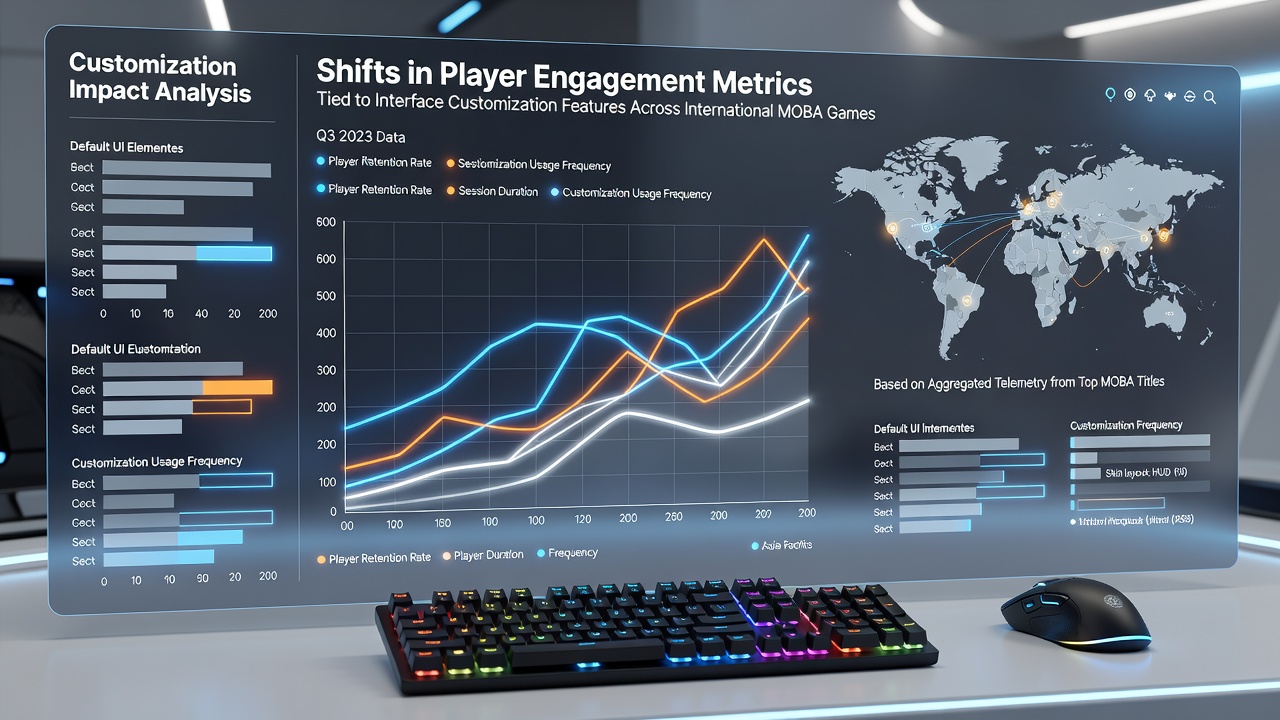
Developers building these systems often rely on modular design frameworks that let players swap elements without affecting core gameplay code, and this approach has allowed international networks to deploy updates more efficiently across diverse hardware. Evidence from platform reports shows that games incorporating cloud-stored preference profiles experience fewer support tickets related to interface issues, which in turn frees resources for other improvements. Researchers discovered that when customization extends to accessibility settings like font scaling and contrast adjustments, participation from older demographics increases without requiring separate app versions.
But here's the thing about scaling these features globally: networks must balance the added complexity of storage and synchronization against the gains in user satisfaction. Data indicates that platforms investing in robust backend support for these tools see compounding benefits over time, particularly when analytics feed back into further refinements. One study revealed that iterative updates based on customization usage data led to measurable upticks in both average revenue per user and social sharing activity within the same networks.
Future Directions in Personalization Technology
As mobile gaming networks continue expanding, the integration of machine learning to suggest interface tweaks based on individual play styles represents the next layer of development. Those monitoring early implementations note that predictive customization options, which adjust dynamically during play, correlate with even higher engagement spikes than static settings alone. Reports from academic and industry collaborations suggest these advancements could reshape how developers approach initial onboarding sequences in new titles launching across borders.
What's significant is the way these tools interact with broader trends in portable device usage, where players expect seamless experiences whether on high-end smartphones or more modest hardware. Networks that prioritize compatibility in their customization engines tend to capture wider audiences, and the resulting metric improvements appear consistent across tested markets. Evidence suggests ongoing refinements in this area will keep influencing participation patterns well into subsequent years.
Conclusion
Shifts in player engagement metrics tied to interface customization features continue to unfold across international mobile gaming networks, with data consistently linking greater personalization flexibility to improved session lengths and retention figures. Regional differences shape how these tools gain traction, while technical advancements support smoother implementation at scale. As platforms refine their approaches through ongoing analysis, the patterns observed in 2026 provide a foundation for understanding how such features will evolve in global markets moving forward.