Integrated Loyalty Metrics Across Digital Gambling Platforms Drive Shifts in Bonus Distribution for Multi-Game Wagering Systems
Written by Jakob Braun · Aug 6, 2026
Integrated Loyalty Metrics Across Digital Gambling Platforms Drive Shifts in Bonus Distribution for Multi-Game Wagering Systems
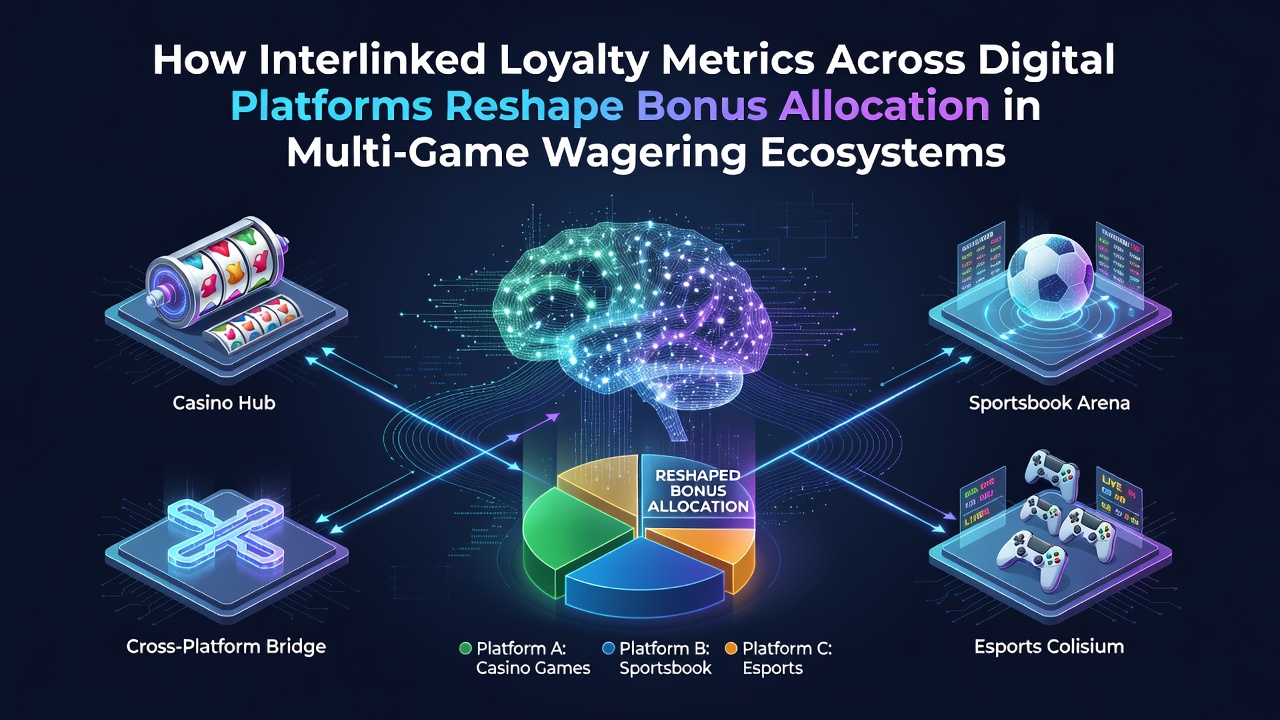
Operators in the online wagering sector have started linking loyalty data from separate apps and websites into unified profiles that track player activity across slots, table games, and sports betting. This integration allows systems to calculate bonus eligibility based on combined engagement rather than isolated sessions on single platforms.
Data collected from user logins, wager volumes, and session durations feeds into algorithms that adjust reward tiers in real time. Research from industry analysts indicates these connected systems emerged more prominently after 2024 as regulatory changes encouraged operators to share certain player identifiers while maintaining privacy standards.
Mechanics of Cross-Platform Data Sharing
Platforms exchange anonymized identifiers that connect accounts without revealing personal details directly. When a player completes a deposit on one site and places wagers on another, the shared metric updates a central loyalty score. This score then determines access to bonus pools that include free spins, deposit matches, and cashback percentages tailored to overall activity levels.
Studies conducted by academic researchers at European universities have shown that such linkages reduce duplicate bonus claims and encourage sustained participation across different game types. Figures from regulatory filings in Canada reveal that provinces with unified reporting requirements saw operators adopt these systems faster than those without similar mandates.
Impact on Bonus Allocation Formulas
Traditional models awarded bonuses based on single-game performance, yet integrated metrics now weight contributions from multiple formats. A player who alternates between roulette and sports markets might receive higher multipliers because the combined data demonstrates diversified engagement. Algorithms apply weighted values to each activity category, so high-volume slots play contributes differently than steady sports betting patterns.
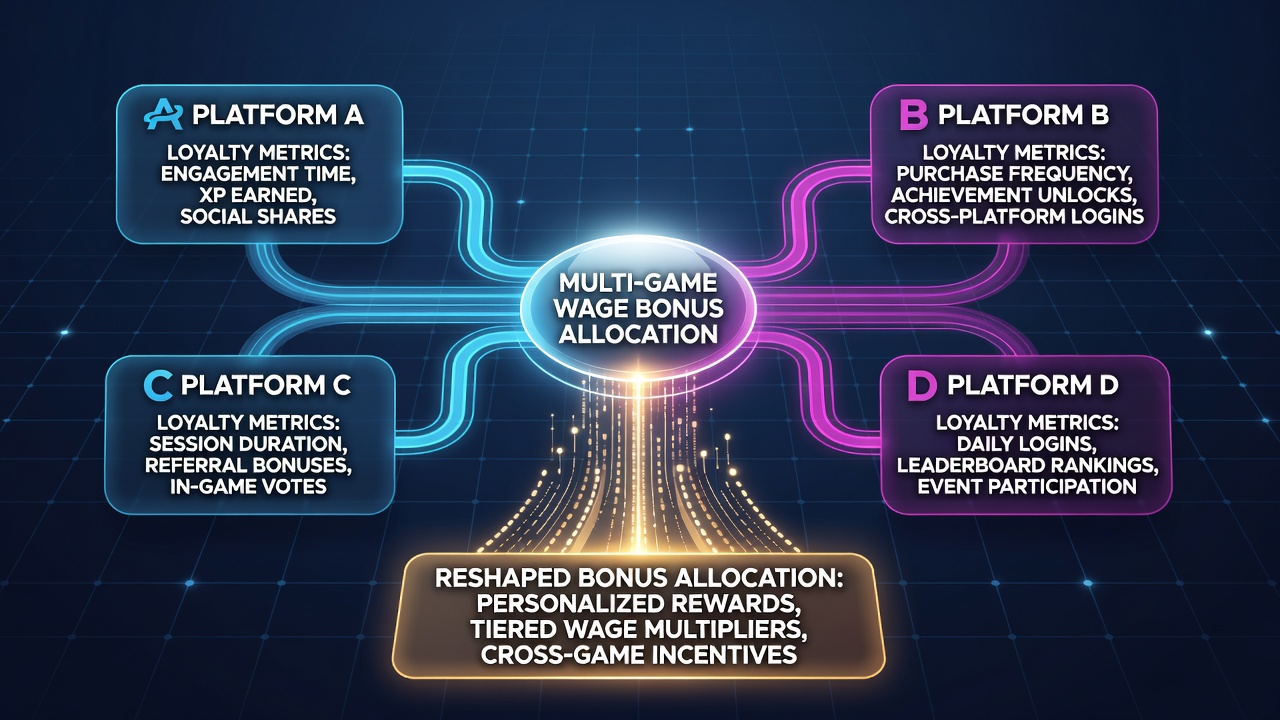
Operators test these formulas through controlled rollouts before full deployment. One documented case involved a multi-brand operator that adjusted its bonus thresholds after observing that cross-platform players generated 35 percent more lifetime value according to internal tracking reports. Adjustments included lowering minimum wager requirements for users active on three or more linked platforms.
Regulatory Context in August 2026
By August 2026 several jurisdictions had updated guidelines on data portability for gambling operators. Australian state commissions required clearer disclosure of how loyalty metrics cross between platforms, while certain US state regulators focused on audit trails for bonus calculations. These rules prompted operators to refine their data pipelines to meet compliance checks without disrupting player experiences.
Industry associations such as the European Gaming and Betting Association have published summaries of member practices that highlight standardized data fields used in loyalty exchanges. The summaries note that operators must document how bonus eligibility changes when metrics aggregate across borders.
Examples from Operational Deployments
One large European operator group connected its sports betting app with its casino platform in early 2025, resulting in a 22 percent increase in players reaching the top loyalty tier within six months. The company attributed the rise to bonuses that recognized combined wagering across both environments rather than separate tracking. Similar patterns appeared in reports from North American operators who linked mobile apps with desktop sites.
Players who switch between live dealer tables and virtual slots see their bonus progress bars update continuously. Systems flag when activity spans multiple game categories and automatically apply tier upgrades that unlock additional reward options unavailable to single-platform users.
Technical Infrastructure Supporting the Shift
Cloud-based customer relationship management tools handle the volume of data exchanged between platforms. These tools use application programming interfaces that sync loyalty events within seconds of each transaction. Encryption protocols protect the identifiers during transfer, and operators maintain logs that regulators can review during compliance audits.
Third-party vendors supply the middleware that connects disparate systems, allowing smaller operators to participate without building custom solutions. Market data from research firms shows increased adoption of these vendor services in markets where multi-license ownership is common.
Conclusion
Interlinked loyalty metrics continue to influence how operators structure bonus offerings across connected digital environments. As more jurisdictions refine data-sharing rules, allocation methods will likely incorporate additional variables such as time spent on each platform and game-type diversity. Observers note that these developments create more granular reward structures while requiring operators to maintain robust tracking and reporting capabilities.