How Loyalty Tier Mechanics Shape Retention in Multiplayer Tournament Formats
Written by Jakob Braun · Aug 13, 2026
How Loyalty Tier Mechanics Shape Retention in Multiplayer Tournament Formats
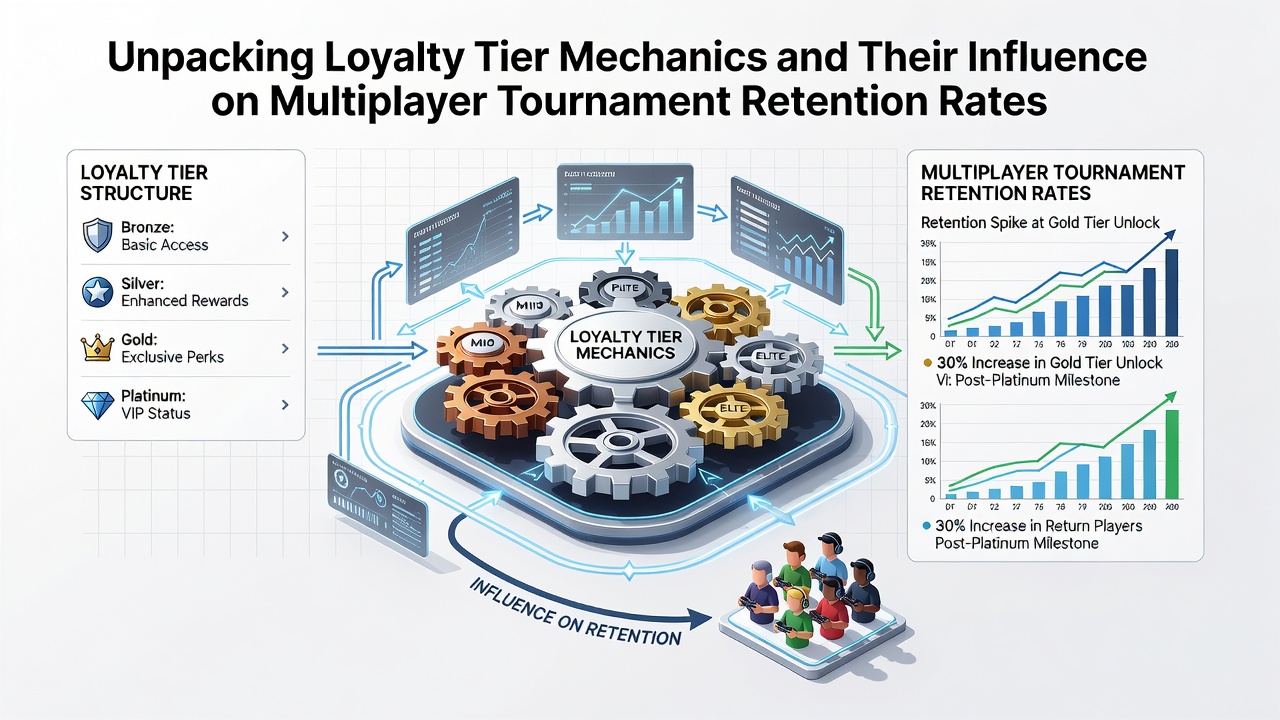
Multiplayer tournament platforms have integrated loyalty tier mechanics as core components of player engagement strategies, and these systems directly affect how participants return for subsequent events. Data from industry tracking services show that structured tier progressions correlate with measurable differences in session frequency and completion rates across various game types. Platforms adjust point accumulation rules, milestone bonuses, and exclusive access privileges based on observed participation patterns rather than fixed assumptions.
Core Components of Tier Progression Systems
Tier structures typically operate through cumulative activity metrics that include tournament entries, win thresholds, and time-based participation windows, while higher levels unlock accelerated reward multipliers and priority matchmaking options. Researchers at academic institutions tracking digital gaming ecosystems have documented how these mechanics create feedback loops where early tier advancement encourages continued involvement in recurring events. Points reset or carry over according to seasonal calendars, and operators calibrate reset frequencies to maintain momentum without creating fatigue among long-term users.
Entry-level tiers often emphasize consistent login rewards and basic entry fee discounts, whereas mid-tier benefits expand to include custom avatar options and leaderboard visibility boosts. Top tiers grant tournament organizers the ability to seed players into featured brackets or provide waived registration costs for high-stakes competitions. These layered incentives operate simultaneously rather than in isolation, and platform analytics indicate that players crossing into new tiers exhibit distinct retention curves compared with those remaining static.
Retention Patterns Across Different Tier Levels
Longitudinal studies of tournament databases reveal that retention rates rise noticeably once participants reach the second or third tier, with the most pronounced effects appearing in the weeks following advancement. Multiplayer formats that incorporate team-based elements show even sharper differences because tier status often carries over to group eligibility rules. Observers note that platforms scheduling major events around tier reset periods experience temporary dips followed by renewed activity spikes as users work to regain or surpass prior standings.
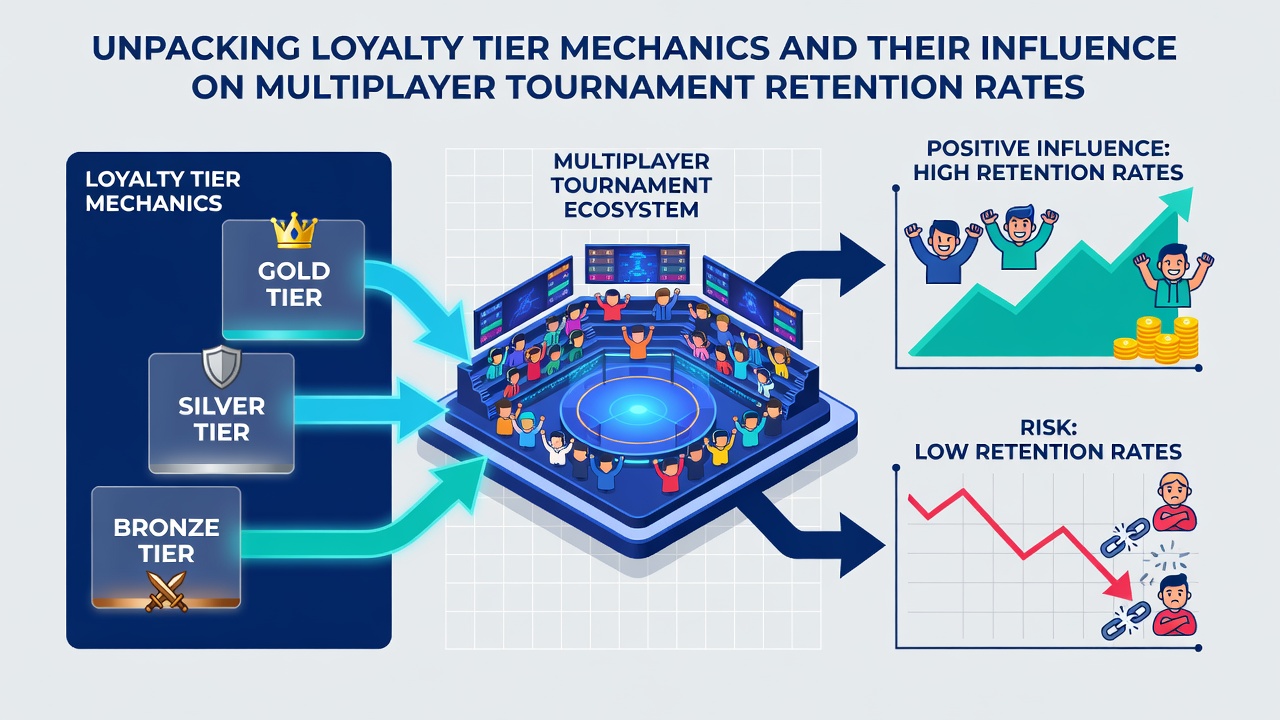
August 2026 reports from multiple regional operators indicate that cross-platform tournaments linking tier progress across mobile and desktop clients produce higher month-over-month retention than single-device ecosystems. The integration of shared progress trackers reduces friction for users switching devices, and this continuity appears to stabilize engagement metrics during periods of fluctuating tournament availability. Retention data further separates by demographic segments, with younger cohorts responding more strongly to social sharing features tied to tier achievements.
Regional Regulatory Influences on Tier Design
Regulatory frameworks in different jurisdictions shape how operators implement loyalty mechanics, particularly around transparency of point valuation and restrictions on prize structures. The New Jersey Division of Gaming Enforcement has published guidelines requiring clear disclosure of tier qualification criteria, and similar requirements have emerged in other North American markets. Australian state authorities have examined how tier-based rewards interact with responsible gaming tools, leading some platforms to introduce voluntary cooling-off periods that pause point accrual without resetting tier status.
Industry associations such as the European Gaming and Betting Association have compiled comparative analyses showing that retention impacts vary when tier systems incorporate mandatory spending caps or loss limits. These adjustments alter the speed at which players advance, and operators respond by recalibrating bonus structures to preserve perceived value. Cross-border data sharing protocols also influence tier portability, because players moving between licensed markets expect continuity in their accumulated status.
Technical Implementation and Data Tracking
Backend systems record granular activity logs that feed into tier algorithms, and these logs capture entry timestamps, opponent difficulty ratings, and completion percentages. Developers refine prediction models using historical datasets to forecast which tier thresholds produce the strongest retention signals. Machine learning applications now segment users by behavioral clusters rather than simple point totals, allowing more precise targeting of promotional offers that encourage tier movement.
One study released through the International Center for Gaming Regulation examined how real-time tier notifications affect immediate return rates, finding that push alerts delivered within two hours of advancement correlate with higher next-day participation. Platforms continue to test notification timing and content variations while remaining within regional advertising standards that govern promotional messaging.
Conclusion
Loyalty tier mechanics function as interconnected systems that influence retention through a combination of progression speed, reward visibility, and cross-platform consistency. Retention outcomes depend on how operators calibrate these elements against regulatory requirements and player behavior data collected across multiple tournament cycles. As multiplayer formats evolve, tier structures will likely incorporate additional variables such as skill-based matchmaking adjustments and collaborative team achievements to sustain engagement levels observed in current datasets.