Exchange Rate Volatility and Adjustments in Mobile Wagering Across International Borders
Written by Willa Schmid · Jul 28, 2026
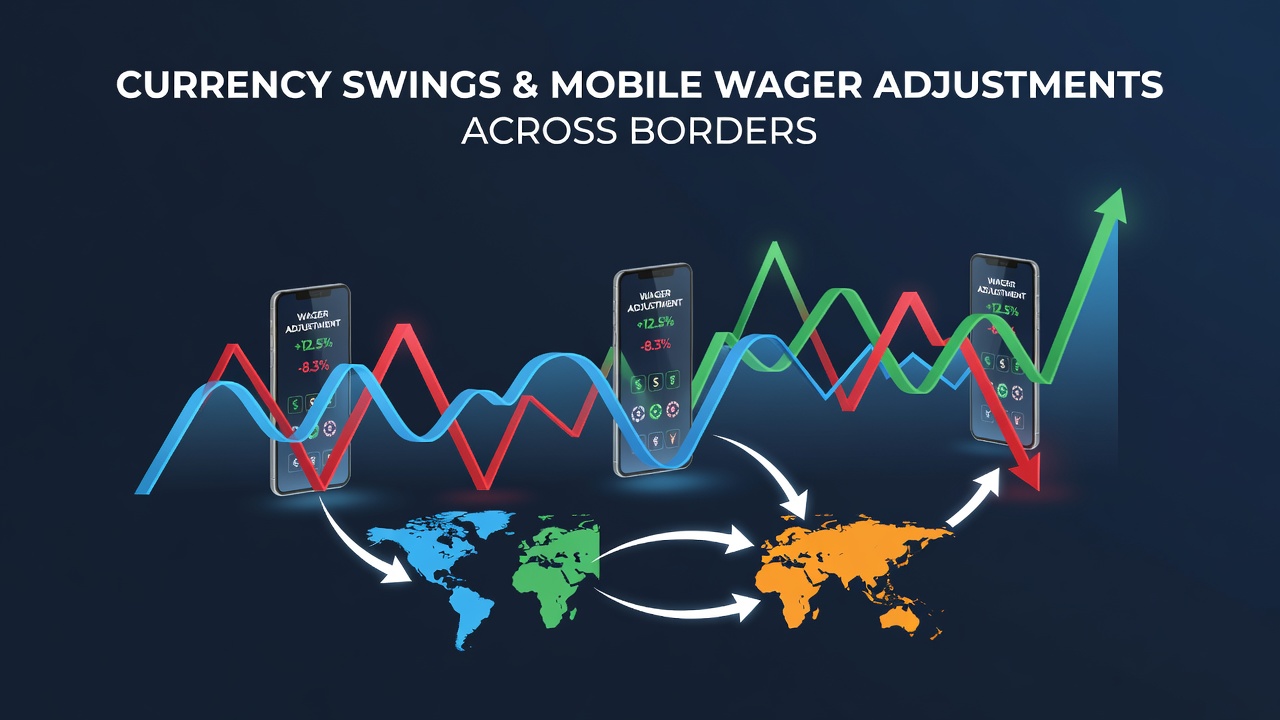
Exchange Rate Volatility and Adjustments in Mobile Wagering Across International Borders
Data from recent forex markets shows that swings in major currency pairs such as the euro against the US dollar and the yen against the Australian dollar have prompted operators of mobile wagering platforms to recalibrate stake limits and payout structures on a near-daily basis, and observers note that these adjustments occur because exchange rate movements directly alter the real value of bets placed from one jurisdiction to another.
Platforms serving users across Europe and Asia Pacific regions often embed real-time conversion engines that update wager minimums and maximums whenever volatility exceeds preset thresholds, while data indicates that a 3 percent shift in the EUR/USD rate can trigger automatic reviews of all pending bets denominated in euros for users accessing the same app from the United States or Canada.
Mechanics Behind Real-Time Wager Recalibration
Mobile applications connect to multiple liquidity providers and banking partners so that when one currency weakens against another the system can raise or lower stake ceilings without requiring manual intervention from compliance teams, and researchers at institutions tracking digital finance have documented cases where operators reduced maximum single-bet sizes by up to 12 percent within hours of a sudden yen depreciation in early 2026.
Because many apps allow deposits and withdrawals in the user’s local currency while settling the underlying wager in a base currency chosen by the operator, the conversion layer becomes the point where volatility exerts its strongest influence, and industry reports reveal that firms maintaining hedging contracts with banks experience fewer forced adjustments than those relying solely on spot market rates.
Regional Patterns Emerging in Mid-2026
By July 2026 analysts tracking cross-border activity recorded heightened volatility between the Canadian dollar and the Mexican peso that led several operators to introduce temporary buffers on mobile sports wagers placed from either side of the border, and those buffers took the form of slightly wider bid-ask spreads applied only to accounts whose IP addresses indicated cross-border access.
Similar patterns appeared in Southeast Asia where the Singapore dollar’s movement against the Thai baht prompted platforms to shorten payout processing times for Thai users converting winnings into Singapore dollars, and evidence from transaction logs shows these changes reduced the number of abandoned withdrawals that had previously occurred when users waited for rates to stabilize.
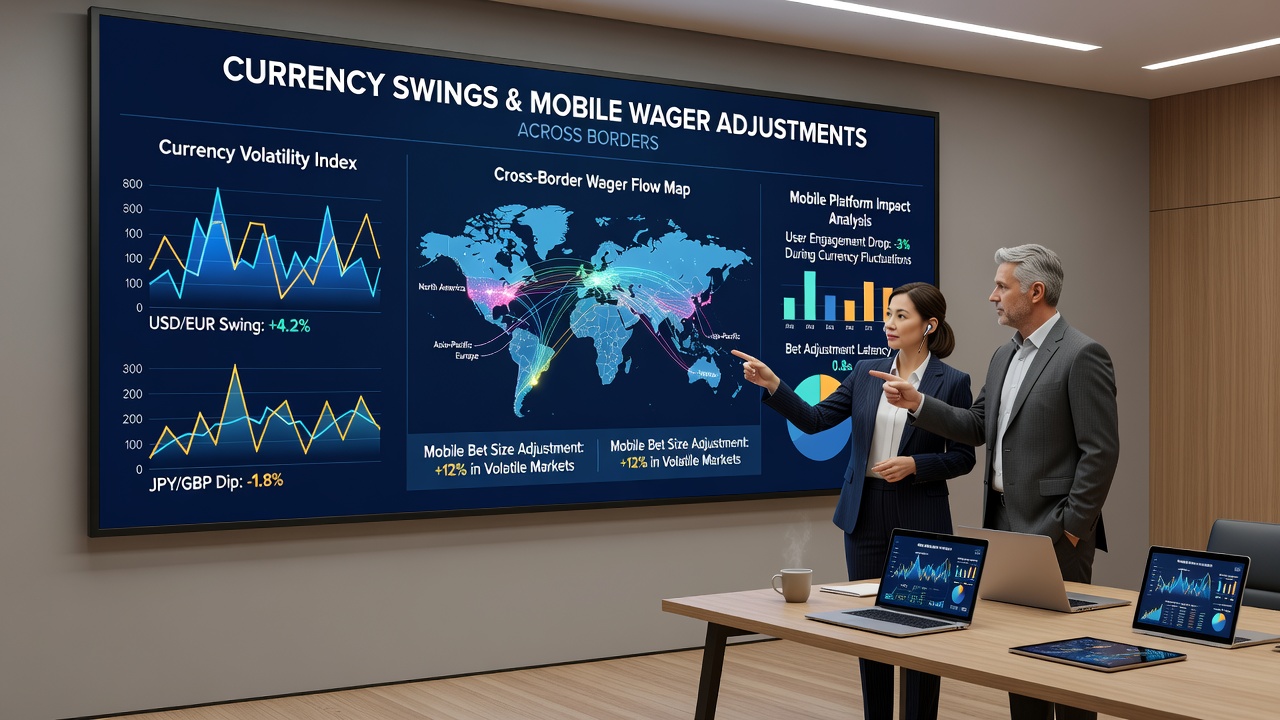
Technological Responses and Compliance Requirements
Operators integrate APIs from established forex data vendors so that every currency pair relevant to their user base receives continuous monitoring, and when fluctuations reach thresholds defined in internal risk policies the platform automatically flags affected markets and recalculates odds or stake ranges before the next round of bets can be placed.
Regulatory bodies in multiple jurisdictions now require that any automatic adjustment mechanism be disclosed to users at the point of deposit, and a guidance note issued by the Australian Transaction Reports and Analysis Centre in the first half of 2026 emphasized the need for clear audit trails linking each stake change to a verifiable exchange-rate movement.
Those who have examined large datasets of transaction records find that platforms employing machine-learning models to predict short-term volatility can pre-empt some adjustments and thereby maintain more stable user experiences, whereas simpler rule-based systems tend to produce more frequent but smaller corrections that users notice as sudden changes in available bet sizes.
Effects on Player Behavior and Operator Revenue
Studies published in the Journal of Gambling Studies indicate that users located in countries whose currencies are depreciating often increase the nominal amount of their wagers in an attempt to maintain the same real-world value, and this behavioral response can offset revenue losses for operators who hedge effectively but can create liquidity pressure when many users act simultaneously.
Conversely, players whose home currencies strengthen may reduce stake sizes because the same nominal bet now represents greater purchasing power, and transaction data collected across several multi-jurisdictional networks shows measurable drops in average bet size following periods of local-currency appreciation against the operator’s settlement currency.
Payment processors that serve the mobile gaming sector have begun offering dynamic settlement accounts denominated in baskets of currencies rather than single units, and this approach allows operators to shift exposure away from the most volatile pairs without altering the user interface for individual bettors.
Conclusion
Currency swings continue to shape the operational parameters of mobile wagering platforms that accept users from multiple countries, and the technical infrastructure required to manage these effects has grown more sophisticated as exchange-rate data feeds become faster and regulatory expectations around transparency increase. Observers tracking the sector note that firms able to integrate accurate forex information with flexible stake-management systems maintain steadier participation rates even when major currency pairs move sharply, while those lacking such capabilities face repeated manual interventions and occasional user complaints about sudden limit changes. The interplay between exchange-rate movements and wager adjustments therefore remains a central operational concern for any platform operating across borders.