Demographic Trends Driving Hybrid Sports and Casino Engagement in Mobile Formats
Written by Jakob Braun · May 26, 2026
Demographic Trends Driving Hybrid Sports and Casino Engagement in Mobile Formats
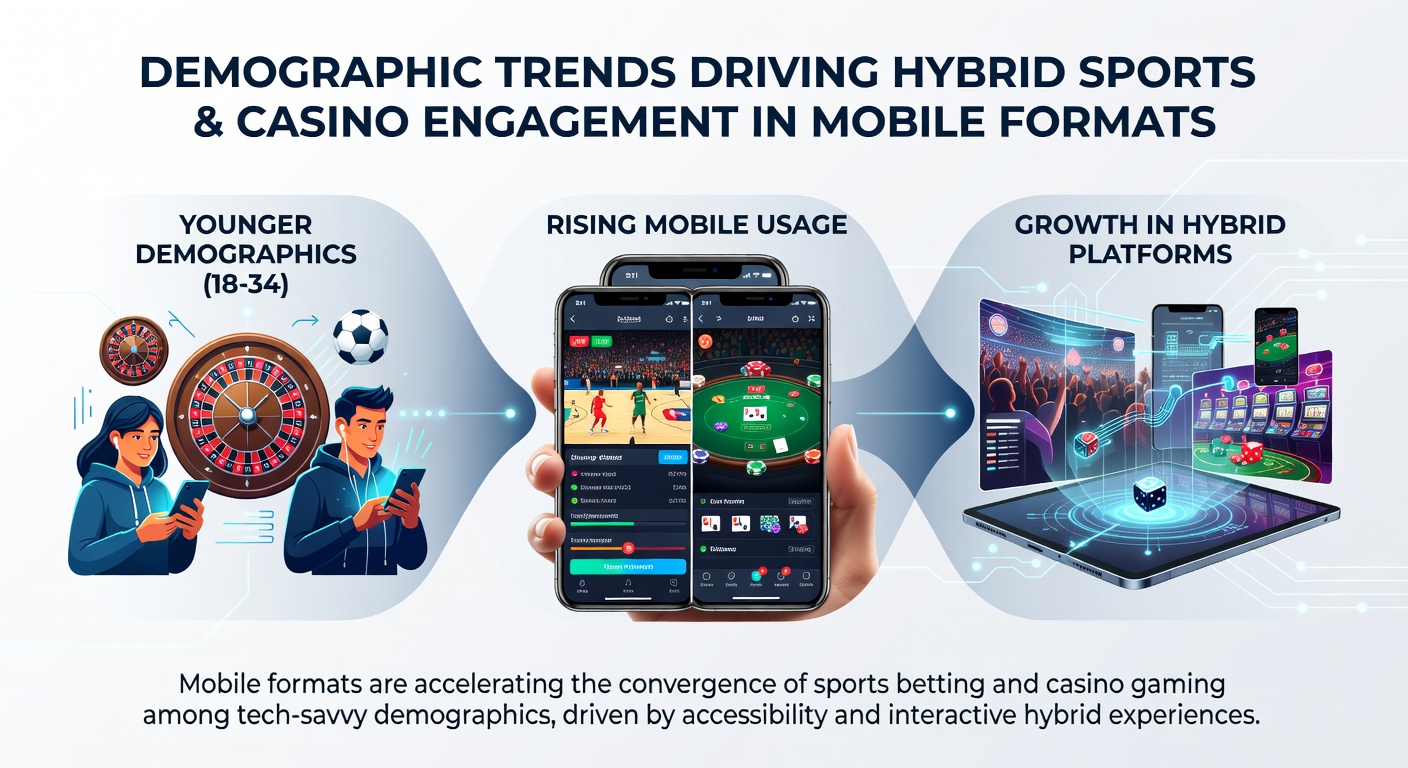
Population shifts across age cohorts have aligned with widespread smartphone penetration to reshape how people access combined sports wagering and casino offerings through mobile channels, and researchers tracking these patterns note consistent growth in engagement rates among specific groups since the mid-2010s.
Age-Based Participation Patterns
Adults between 25 and 44 years old represent the largest segment adopting mobile platforms that merge live sports betting with casino-style games, according to data compiled by industry analysts who examined transaction volumes across multiple jurisdictions, while younger users aged 18 to 24 demonstrate rapid uptake when platforms offer seamless switching between event-based wagers and quick-play casino titles.
Those over 55 show lower overall mobile engagement yet display steady increases in hybrid activity when applications incorporate familiar interfaces and simplified navigation, and studies conducted through academic institutions have documented how this cohort responds to targeted promotions that blend sports highlights with casino bonus structures.
Urbanization and Connectivity Factors
City dwellers in densely populated regions maintain higher rates of daily mobile interaction with hybrid entertainment apps because reliable 5G networks and widespread Wi-Fi availability reduce friction during live events, whereas rural populations exhibit growing participation as infrastructure expands and device affordability improves across broader economic brackets.
Income levels correlate with preferred features, and higher-earning households tend toward premium subscriptions that unlock advanced analytics for both sports and casino segments, while middle-income users favor free-to-play entry points that transition into real-money hybrid formats once engagement thresholds are met.
Regional Variations in Mobile Hybrid Adoption
North American markets report accelerated mobile hybrid growth following regulatory expansions in states such as New Jersey and Pennsylvania, where integrated apps allow users to place sports bets and access casino games within single sessions, and similar patterns appear in parts of Canada where provincial operators have introduced unified mobile interfaces.
Australian data tracked by the Australian Gambling Research Centre reveals that younger demographics drive cross-format usage during major sporting seasons, with mobile sessions often starting on sports markets and extending into casino environments, while European observers note comparable trends in markets outside the United Kingdom where local operators emphasize mobile-first hybrid designs.
Gender distribution shows near parity in overall mobile hybrid participation, though men maintain higher volumes in sports-linked casino activities and women demonstrate stronger retention in social features embedded within these platforms, according to usage logs analyzed by platform developers.

Technology Access and Behavioral Shifts
Smartphone ownership rates exceeding 85 percent among adults under 50 in developed economies have removed traditional barriers to hybrid engagement, and Pew Research Center findings indicate that daily mobile internet use now exceeds desktop access in most age categories, enabling spontaneous participation during commutes or breaks.
Users frequently begin sessions through sports notifications that link directly to casino lobbies, and platform metrics show this pathway increases session duration compared with standalone casino access, while loyalty programs that reward activity across both categories further encourage continued mobile interaction.
Projections Through Mid-2026
Market forecasts prepared ahead of May 2026 anticipate continued expansion of hybrid mobile formats as additional jurisdictions finalize regulatory frameworks, and operators who have already deployed cross-category apps report sustained user growth tied to demographic cohorts entering peak earning years.
Emerging markets in Southeast Asia and Latin America display parallel trajectories where rising smartphone penetration coincides with regulatory maturation, allowing hybrid models to capture users who previously relied on land-based venues exclusively, and observers tracking these developments point to mobile convenience as the primary catalyst.
Conclusion
Demographic factors including generational tech familiarity, urban connectivity advantages, and shifting income distributions continue to steer mobile hybrid engagement between sports and casino formats, with data from regulatory bodies and research organizations confirming measurable uptake across targeted age and regional groups through the present period and into projected timelines.