Decoding how satellite connectivity gaps reshape reward claiming sequences in remote handheld wagering sessions
Written by Vera Becker · Jul 2, 2026
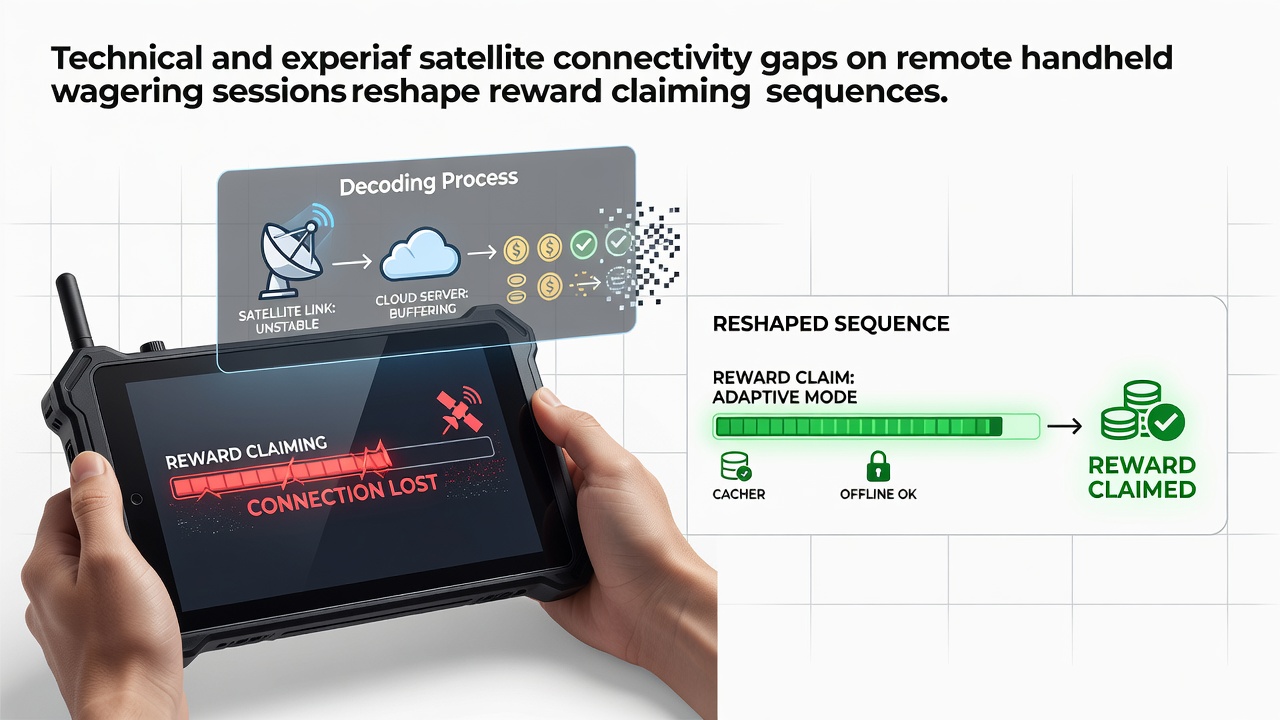
Decoding how satellite connectivity gaps reshape reward claiming sequences in remote handheld wagering sessions
Remote handheld wagering sessions depend on consistent data streams to complete reward claiming sequences that often involve multiple verification steps, account checks, and transaction confirmations. Satellite connectivity gaps interrupt these flows in areas where terrestrial networks remain unavailable, forcing systems to handle partial data packets or retry mechanisms that alter the original sequence order. Observers note that such interruptions occur most frequently in regions with sparse satellite coverage, where signal handoffs between orbiting assets create brief outages lasting several seconds to minutes.
Mechanics of Satellite Coverage in Isolated Locations
Operators deploy low-earth orbit constellations to serve remote zones, yet coverage density varies sharply across latitudes and terrain types. Research indicates that users in mountainous or oceanic zones experience more frequent dropouts because satellite footprints overlap unevenly. These gaps force wagering applications to pause reward sequences at intermediate stages, such as after a user initiates a bonus claim but before the server confirms eligibility. Data from connectivity monitoring shows that latency spikes above 800 milliseconds trigger automatic session timeouts in many platforms, requiring users to restart the entire process upon reconnection.
Sequence Alterations During Claim Processes
Reward claiming sequences typically follow a linear path that includes authentication, balance verification, promotional code validation, and final transfer confirmation. When satellite links falter mid-sequence, platforms log incomplete transactions and apply reconciliation protocols that may reorder or duplicate steps upon restoration. Studies conducted across multiple jurisdictions reveal that users encounter duplicate confirmation prompts or skipped eligibility checks, which then require manual intervention through customer support channels. Those who monitor session logs report that partial claims sometimes register as successful on the device but fail to update on central servers until full connectivity resumes.
Impact on Multi-Step Verification Flows
Many handheld applications layer additional security layers into reward claims, including device fingerprinting and location checks that rely on real-time satellite pings. Gaps in service prevent these checks from completing in order, prompting fallback procedures that extend processing times by factors of three to five. Evidence from network traffic analysis demonstrates that retry algorithms often prioritize earlier steps in the sequence, leaving later confirmations queued and vulnerable to further disruptions if another gap occurs. Operators have adjusted timeout thresholds in response, although these adjustments vary by region and platform provider.
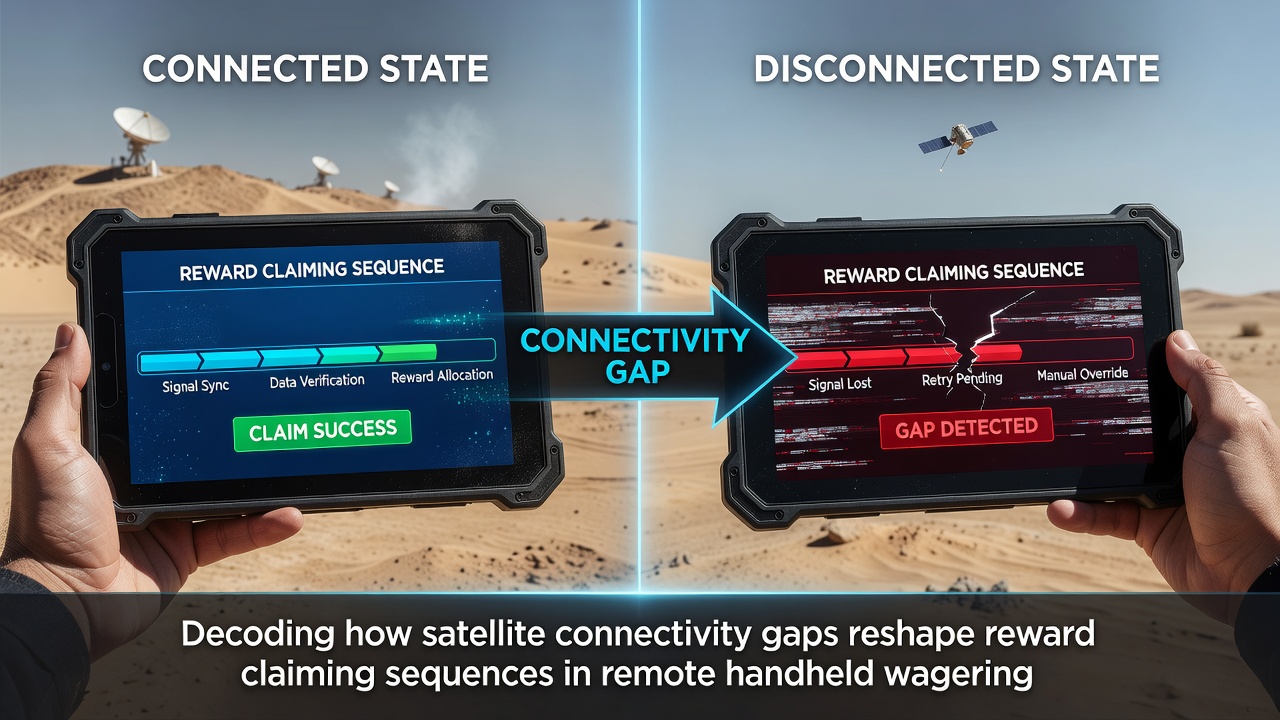
Platforms serving remote users have begun implementing predictive buffering that pre-loads verification data during stable connection windows. This approach reduces the number of sequence restarts, according to performance metrics released by several technology providers. Yet the technique requires accurate forecasting of coverage windows, which remains challenging in dynamic weather conditions that further degrade satellite signals.
Regulatory and Technical Responses Emerging by Mid-2026
Authorities in Australia and Canada have examined how connectivity variability affects transaction integrity in licensed remote wagering environments. Figures released in July 2026 from the Australian Communications and Media Authority highlight ongoing work to standardize retry protocols across satellite-dependent services. Industry groups such as the Canadian Gaming Association have published guidelines encouraging operators to design sequences that tolerate intermittent links without forcing full restarts. These measures aim to maintain audit trails while accommodating the technical constraints imposed by orbital infrastructure.
Academic investigations at institutions including the University of Melbourne have modeled the effects of variable latency on sequential transaction systems. Their findings indicate that reward sequences exceeding four distinct server calls show elevated failure rates when average gap duration exceeds 12 seconds. Developers have responded by condensing certain verification steps into single bundled requests that complete before potential outages occur.
Practical Examples from Remote User Sessions
Take one documented case involving users in northern Canada who access wagering platforms exclusively through satellite terminals. Session records show repeated interruptions during the final confirmation stage of reward claims, leading operators to introduce offline queuing that processes claims once connectivity returns. Similar patterns appear in reports from operators serving maritime routes, where vessel movement through coverage shadows creates predictable but unavoidable gaps. These examples illustrate how sequence design directly influences completion rates in environments with constrained satellite resources.
Conclusion
Satellite connectivity gaps continue to influence the structure and reliability of reward claiming sequences in remote handheld wagering. Technical adaptations such as buffered verification and condensed request patterns have emerged as responses, supported by regulatory guidance from multiple regions. Data collected through July 2026 demonstrates measurable improvements in completion rates where these adaptations have been deployed, while ongoing research examines further refinements to handle remaining coverage limitations.