Charting Cryptocurrency Integration Patterns in Worldwide Betting Ecosystems
Written by Drew Sullivan · Jul 21, 2026
Charting Cryptocurrency Integration Patterns in Worldwide Betting Ecosystems
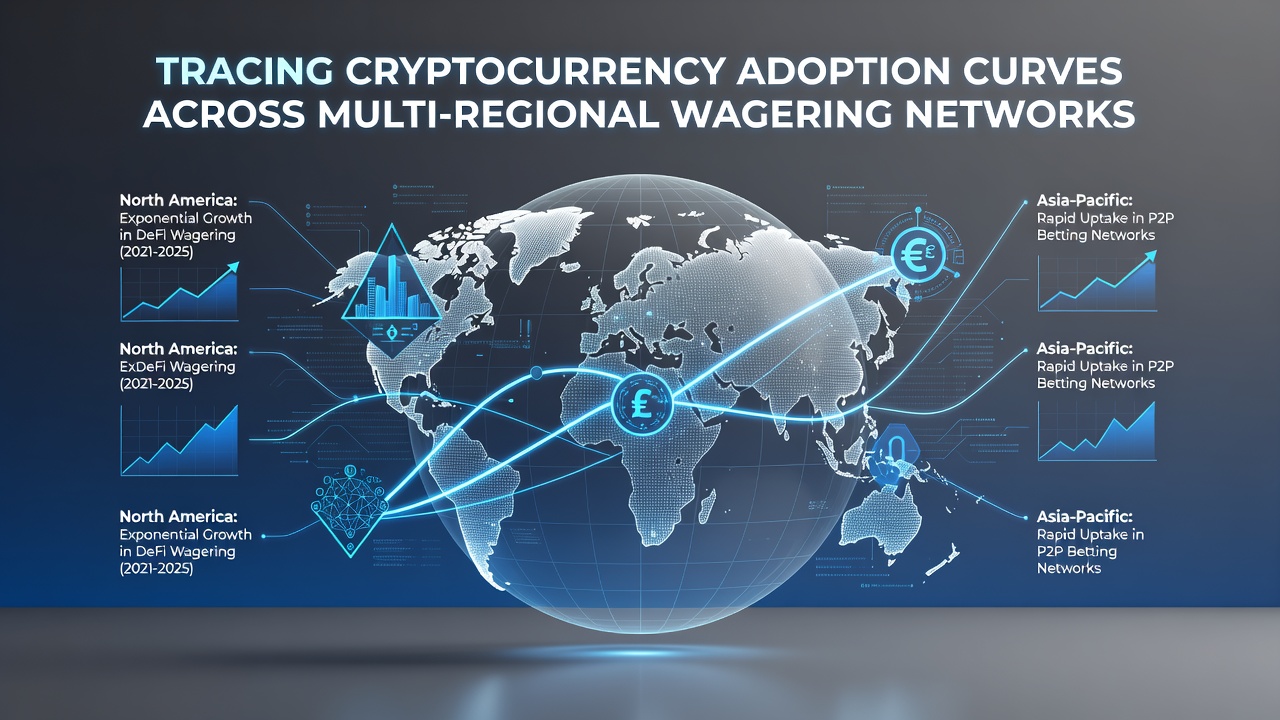
Observers tracking digital asset usage in betting environments note steady expansion across multiple continents since the mid-2010s, with distinct curves emerging in North America, Asia-Pacific, and parts of Europe. Data from payment processors and platform operators show initial spikes concentrated in jurisdictions where regulatory clarity arrived earlier, while slower climbs appear in regions still refining oversight frameworks. Research indicates that Bitcoin dominated early transactions, yet stablecoins gained traction after 2020 as volatility concerns prompted shifts among network participants.
Early Phase Adoption in North American Markets
Analysts reviewing transaction volumes from 2017 through 2021 document gradual uptake in states with legalized online wagering, where operators integrated wallet options alongside traditional processors. Figures from the U.S. Department of the Treasury reveal that cryptocurrency deposits represented under 5 percent of total handle in permitted jurisdictions by late 2021, yet that share climbed above 12 percent by mid-2024 in several markets. Canadian provincial regulators tracked parallel movements, with Ontario's licensed platforms reporting similar percentage growth after their 2022 launch.
Those monitoring these networks point to reduced processing times and lower fees as primary drivers behind the curves, while compliance requirements around know-your-customer protocols shaped how quickly operators rolled out support. Take one operator in New Jersey that introduced Ethereum deposits in 2020; internal records later showed a doubling of active crypto users within eighteen months once promotional incentives aligned with broader market awareness.
Accelerated Growth Across Asia-Pacific Networks
Platforms serving users in Southeast Asia and parts of East Asia displayed steeper adoption slopes after 2022, according to aggregated data released by regional gaming associations. Stablecoin usage surged in markets where local currencies faced exchange controls, creating practical incentives for participants to route funds through blockchain rails. Reports compiled by the Monetary Authority of Singapore highlight how cross-border tournament formats incorporated cryptocurrency settlement options, resulting in measurable increases in participation from users outside domestic licensing zones.
Key Drivers Behind Regional Divergence
Regulatory timing explains much of the variation in curve shapes, with jurisdictions that issued clear guidance ahead of others seeing faster integration. Network effects also played a role: once several major platforms accepted the same tokens, liquidity improved and reduced friction for multi-site users. Observers note that volatility hedging tools introduced around 2023 further smoothed participation patterns, allowing wagerers to lock values during active sessions.
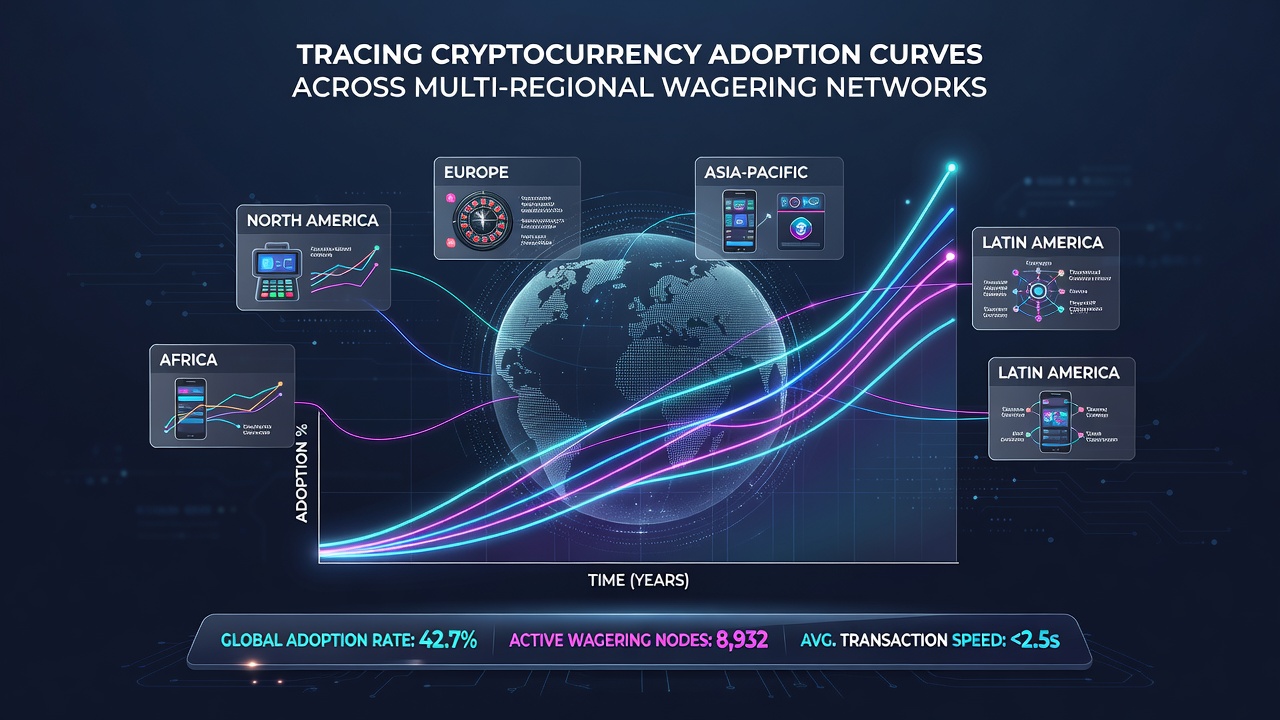
What's interesting is how time-zone differences interact with these adoption patterns. Data aggregated across global tournament servers shows that crypto-enabled sessions often peak during overlapping hours between Asian and European user bases, creating sustained activity windows that traditional banking rails could not match as efficiently. Academic studies from institutions in Australia have examined these temporal dynamics, linking higher crypto penetration to extended engagement metrics in multi-regional formats.
Regulatory and Technological Factors Shaping 2026 Trends
By July 2026, several licensing bodies across different continents had updated guidance on digital asset handling, prompting additional platforms to expand supported currencies. Evidence from industry consortiums suggests that interoperability standards between wallets and gaming engines reduced onboarding steps, contributing to continued upward movement in adoption curves. In parallel, researchers at European universities documented how anti-money-laundering requirements influenced the pace of rollout, with operators adopting layered verification that balanced speed and compliance.
One study tracking Latin American markets found that cryptocurrency deposits grew from roughly 8 percent to 19 percent of total volume between 2023 and 2025 in jurisdictions that permitted such transactions. Those figures align with broader patterns observed in North American and Asia-Pacific datasets, where similar regulatory adjustments produced comparable percentage gains over comparable timeframes.
Cross-Network Comparisons and Emerging Patterns
Comparisons across multi-regional operators reveal that networks supporting both fiat and crypto options often record higher retention when users can switch seamlessly between settlement methods. Payment route analysis shows that certain tokens correlate with preferences for specific game types, although causation remains under study. Government sources in Canada and Australia have published periodic summaries indicating steady, rather than explosive, growth once initial novelty effects subside.
Yet the curves continue evolving as new tokens and layer-two solutions enter the ecosystem. Observers tracking these developments emphasize that adoption remains sensitive to macroeconomic conditions, exchange-rate stability, and the availability of local on-ramps that connect traditional banking systems with blockchain networks.
Conclusion
Tracing cryptocurrency adoption across wagering networks demonstrates consistent regional variation driven by regulatory timing, technological infrastructure, and user incentives. Data through July 2026 indicate ongoing integration rather than saturation, with distinct curves reflecting local conditions while sharing common upward trajectories. Continued monitoring by regulators, academic researchers, and industry groups will clarify how these patterns develop as standards and tools mature.