Behavioral Data Patterns Shaping Personalized Experiences in Portable Gaming Applications
Written by Willa Schmid · May 28, 2026
Behavioral Data Patterns Shaping Personalized Experiences in Portable Gaming Applications
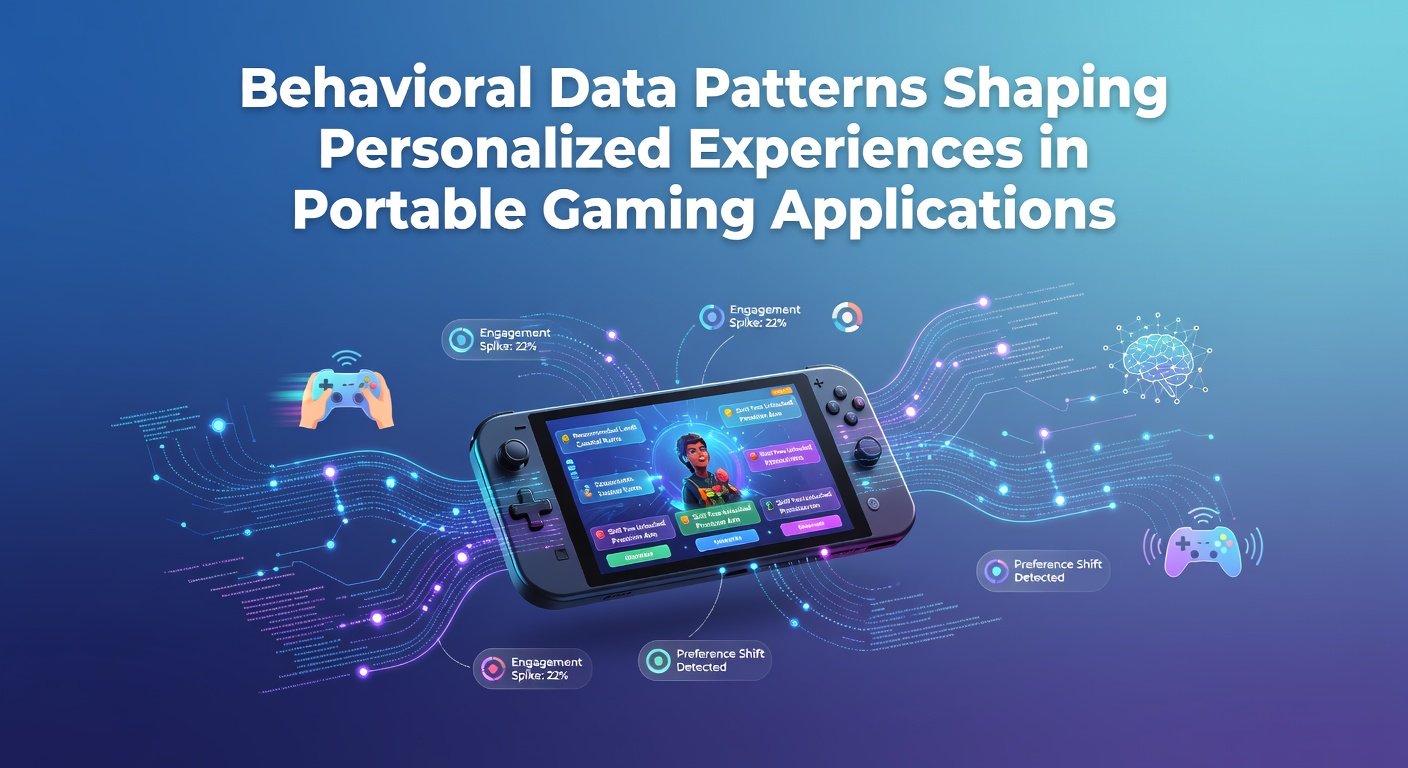
Portable gaming applications collect vast amounts of behavioral data through player interactions, session durations, and choice sequences, and developers use these inputs to adjust game mechanics in real time. Research indicates that such patterns allow systems to modify difficulty levels, suggest in-game items, and tailor narrative branches without direct user input. Data shows mobile game sessions average 8 to 12 minutes on weekdays, with longer stretches recorded on weekends according to industry tracking services.
Methods of Capturing Behavioral Signals
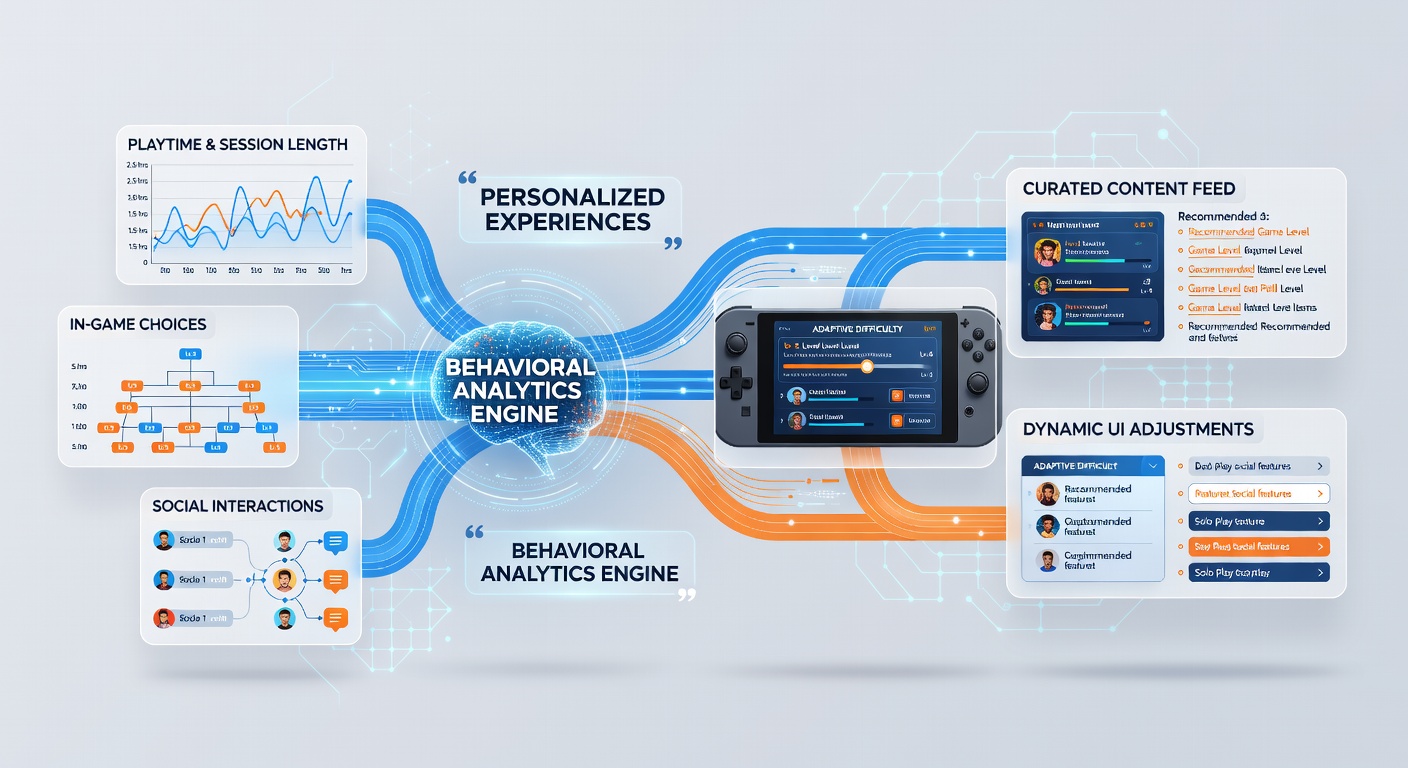
Developers embed tracking layers that log swipe velocity, tap frequency, pause intervals, and progression speed within each level. These signals feed into algorithms that classify users into segments such as explorers, competitors, or socializers based on repeated actions. Observers note that location data and device orientation further refine these profiles because players in transit often exhibit shorter attention spans than those at home. Studies from the Entertainment Software Association reveal that over 70 percent of top-grossing mobile titles now integrate at least three distinct behavioral metrics to drive personalization engines.
Identified Patterns and Their Influence
Patterns emerge when players repeatedly abandon certain mechanics or accelerate through others, prompting the application to reroute challenges or insert tutorials at precise moments. Researchers have documented how early session drop-off rates correlate strongly with later monetization events, leading teams to adjust reward schedules accordingly. One study revealed that users who complete daily login streaks receive progressively customized event notifications timed to their historical activity peaks. Those who've studied engagement curves know that small adjustments in enemy density or resource availability often lift retention by double-digit percentages across large cohorts.
Real-Time Adaptation Mechanisms
Adaptation occurs through machine learning models that update parameters after each completed session, and the process runs continuously in the background while the user plays. Applications might lower obstacle speed for one cohort while increasing collectible frequency for another based on prior completion data. Figures reveal that games employing these loops see average playtime rise from 4.2 hours per week to 6.1 hours within the first month of implementation. What's interesting is how these changes remain invisible to the player yet produce measurable shifts in satisfaction scores reported through post-session surveys.
Regional Regulatory Developments
Regulatory bodies in multiple jurisdictions have begun examining how behavioral data informs monetization features, particularly when patterns predict spending likelihood. In May 2026 the Australian Competition and Consumer Commission issued updated guidance requiring clearer disclosure of data-driven offers inside mobile titles. Canadian provincial regulators followed with similar transparency rules focused on loot box probabilities adjusted by player history. These measures aim to balance innovation with consumer protection while allowing continued refinement of personalized experiences.
Industry Examples and Measured Outcomes
Take one developer who noticed players frequently restarted levels after specific failure types, and the team responded by introducing optional hint systems that activate only for those users. Another studio tracked social feature usage and began pairing players with teammates of matching skill trajectories rather than random assignment. Data indicates these targeted pairings increased cooperative session lengths by 18 percent on average. Observers note that similar techniques appear across puzzle, action, and simulation genres because the underlying pattern detection methods transfer readily between categories.
Future Trajectory of Pattern Utilization
Continued advances in on-device processing now permit more granular analysis without constant cloud transmission, which reduces latency and addresses certain privacy concerns. Academic papers from European research institutions project that by late 2027 pattern recognition will extend to emotional state inference drawn from input rhythm and device grip pressure. Industry associations track these developments closely because they influence both design standards and compliance requirements across markets. The ball remains in developers' court to implement these capabilities responsibly while maintaining player trust.
Conclusion
Behavioral data patterns continue to reshape how portable gaming applications deliver tailored content at scale. Metrics gathered from millions of sessions inform everything from level design tweaks to notification timing, and regulatory attention has kept pace with these technical capabilities. As processing power grows and data sources diversify, the mechanisms that translate observed actions into individualized experiences will likely expand further while remaining grounded in measurable performance indicators.